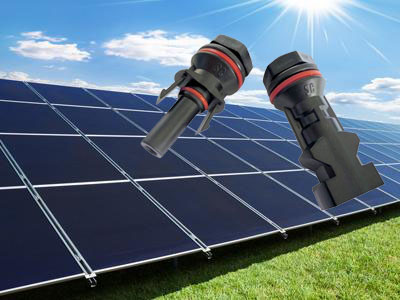
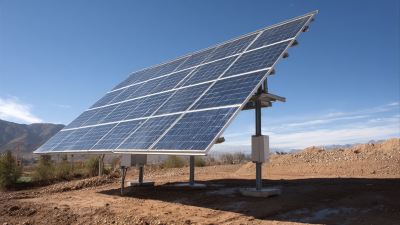
In the fast-changing world of renewable energy, picking the right Photovoltaic Cables really makes all the difference when it comes to keeping your solar power systems running smoothly and reliably. I’ve read that the global market for these cables is expected to hit over over $1 billion by 2026 — crazy, right? That’s mainly because more and more people are jumping on the solar energy bandwagon.
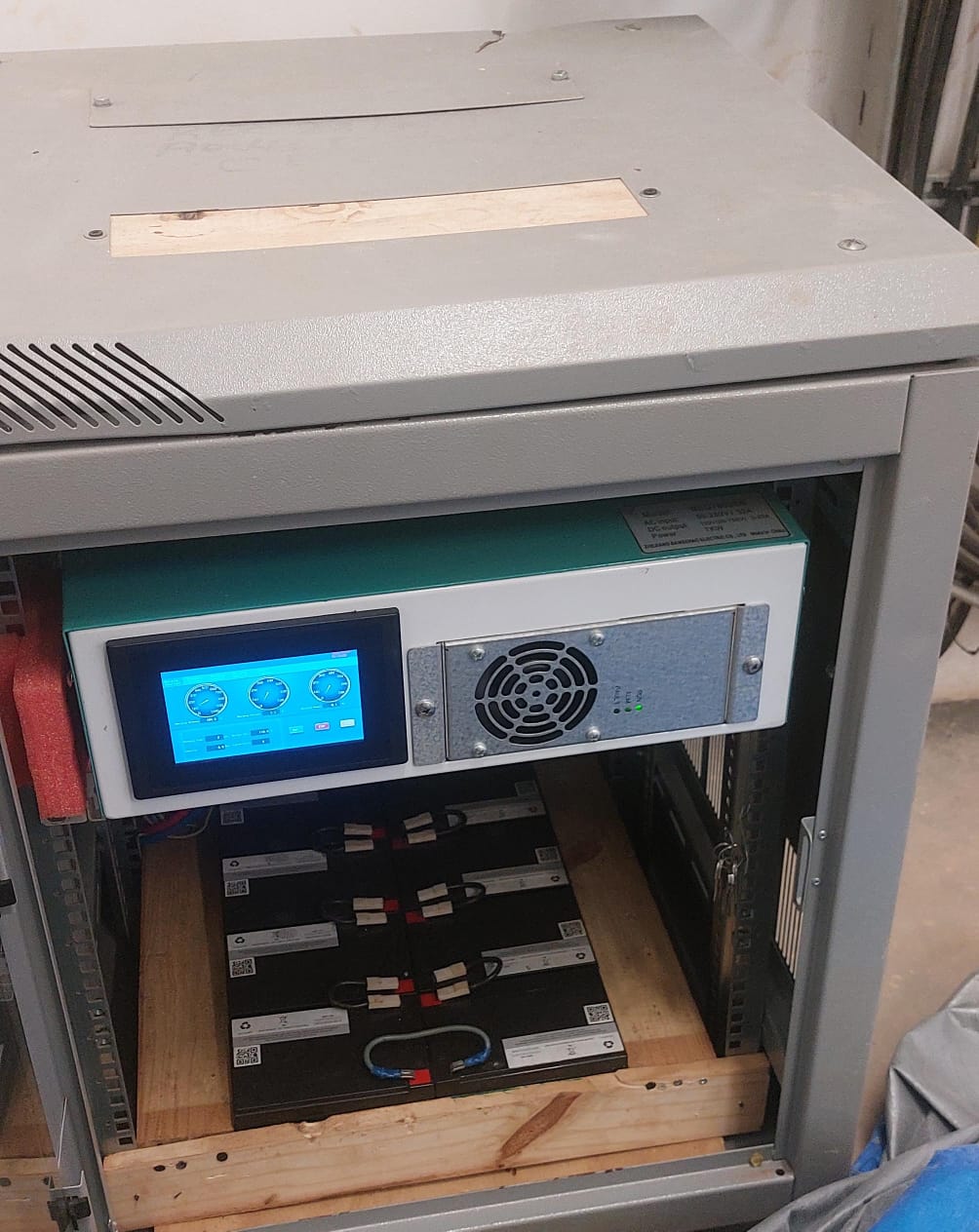
At Bangzhao Electric Co., Ltd., we totally get just how important these cables are for making sure your solar setups perform their best. We offer some pretty advanced products too, like lithium battery storage systems and Pure Sine Wave Inverters. With over ten years of experience under our belt, we know that choosing the right photovoltaic cables isn’t just about getting more energy — it’s also about making sure your system lasts longer and stays safe.
So, in this blog, I’ll walk you through the key factors you should keep in mind. That way, you’ll have all the info you need to make smart choices for your solar projects.
Key Differences Between Various Types of Photovoltaic Cables: A Comprehensive Overview
When you're choosing the right photovoltaic cables, it’s pretty important to get a good grip on the differences between the various types out there. These cables are basically the backbone for getting electricity from your solar panels to wherever it needs to go, so you want to make sure you pick the right ones. One thing to look at is the insulation material—cables with cross-linked polyethylene (or XLPE) tend to handle temperature swings and UV rays pretty well, which makes them ideal for outdoor setups. On the other hand, PVC cables might not stand up to those outdoor stressors quite as well, and that could cause issues down the line.
Then there’s the whole flexibility and size thing. Depending on your install, you might need cables that are bendy enough to fit into tight spots or tricky routes. Also, the thickness of the cable – or its cross-sectional area – really matters. Larger diameters mean they can carry more current, which is definitely a plus if you’re expecting a lot of power. It helps reduce voltage drops and gets your system running more efficiently.
And don't forget about safety stuff like flame resistance. Different places have different safety standards, so make sure the cables you choose match what’s required in your area. Some cables are designed to emit less smoke if there's ever a fire—something that’s especially important if the system’s in a home. Going for cables with extra fire safety features isn’t just smart; it’s also a way to keep people and property safe in the long run.
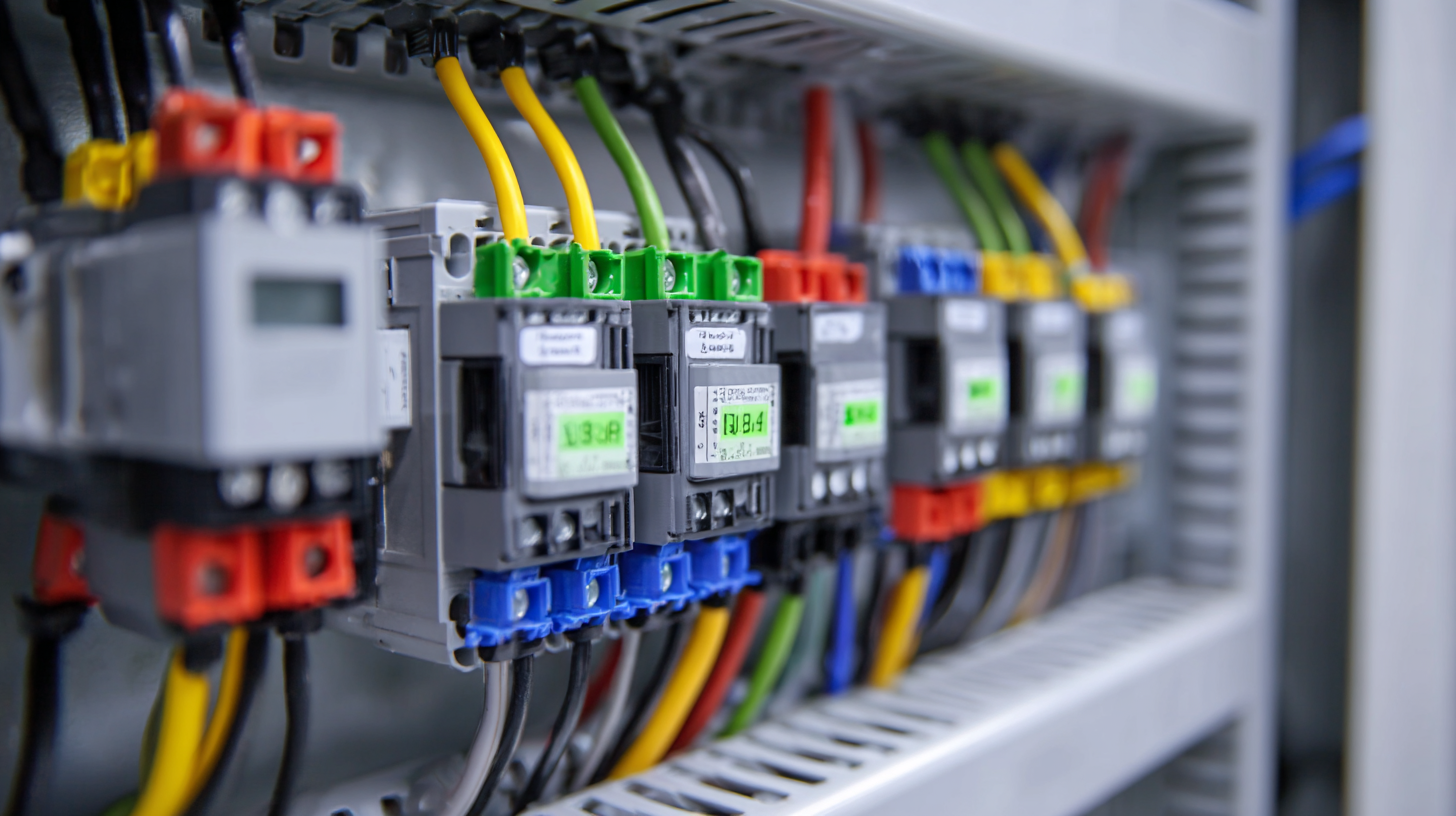
The Importance of Temperature Ratings in Photovoltaic Cable Selection: Ensuring System Longevity
When you're choosing photovoltaic cables, one thing that's super important and often overlooked is their temperature rating. These systems often have to deal with all sorts of environmental conditions, which means the cables are exposed to a wide range of temperatures. Picking cables with the right temperature ratings is key because it helps your system run smoothly and safely over the long haul. Good quality photovoltaic cables are built to handle extreme temperatures without falling apart, so you’re less likely to run into failures that can turn into expensive repairs or replacements.
Also, it’s worth taking a close look at the specific temperature needs based on where you're installing. Like in hot places, the cables need to withstand the heat without losing efficiency or getting damaged. On the flip side, if you're in a colder spot, the cables should stay flexible and perform well to keep everything running without a hitch. Bottom line? Choosing cables that match the environmental conditions can make a huge difference in how long your system lasts and how reliably it works. It’s all about making sure your system keeps running efficiently for years to come.
Understanding Voltage Ratings and Their Impact on Solar Energy Efficiency
Choosing the right PV cables for your solar energy setup might seem straightforward, but really, understanding voltage ratings is super important if you want everything to run smoothly. Basically, voltage ratings tell you how much electrical 'pressure' a cable can handle — it’s kind of like the maximum amount of juice it can carry safely. If you go with cables that aren’t up to the job, you’re risking overheating, damage, and even cutting down on the energy you get out of your system. No one wants that, right?
So, here’s a little tip: always double-check that your cables match your system’s voltage needs. It's a good idea to look at both the nominal and peak voltage ratings — make sure they’re in line with what your inverter requires. Also, don’t forget about environmental factors like temperature and UV exposure — these can wear down cables over time if you’re not careful. Investing in high-quality cables, like those from Bangzhao Electric Co., Ltd., can really make a difference since they offer better insulation and last longer, which in turn keeps your energy flowing efficiently.
Oh, and another thing: pay attention to the current-carrying capacity, usually called amperage. Picking cables with the right amperage rating means less energy lost and less risk of overheating. Going for sturdy, well-made cables designed specifically for your system — especially for tough environments like boats or vehicles — can totally boost your system’s performance and reliability. It’s worth the little extra effort to get it right.
Essential Checklist for Choosing the Right Photovoltaic Cables
The Role of Cable Insulation Materials: Choosing the Right Type for Your Installation
When you're picking out photovoltaic cables for a solar setup, choosing the right insulation material is a big deal. It’s not just about protecting the wires inside — the insulation impacts how durable and efficient your entire system will be. Usually, you’ll see options like PVC, XLPE, and TPE, each with their own perks. For example, XLPE (that’s cross-linked polyethylene) is pretty great because it handles heat really well and resists UV rays, making it a solid choice if your panels are outdoors and exposed to tough weather conditions.
Another thing to keep in mind is the environment where you’re installing these cables. Different insulation types can handle moisture, heat swings, and physical stress to varying degrees. So, if you’re working in an area with high humidity or where water might get in, you’ll want cables that are water-resistant and properly insulated so they don’t break down over time. Plus, the thickness and overall quality of the insulation really matter when it comes to the long-term performance and safety of your energy transmission. Bottom line — giving proper thought to the insulation materials is key to making sure your solar system stays reliable and lasts for the long haul.
Assessing Cable Durability: UV Resistance and Sheath Specifications Explained
When you're choosing photovoltaic cables, it's definitely worth paying attention to how durable they are. After all, you want them to last and perform well over time, right? One of the most important things to look at is UV resistance. Since these cables are often used outdoors, they need to handle sunlight without breaking down. Too much sun exposure can cause cracks, weaken the cable, and even pose safety risks—no one wants that! It’s also key to understand what's going on with the sheath. That outer layer protects the inner wires from things like moisture, extreme heat, and other environmental factors, which can really take a toll if it's not up to par.
If you're making a decision about which cables to go for, it helps to check out how the insulation ages and what models are available for predicting their lifespan. These days, more advanced tools like WOA-SVR (Wavelet Optimization Algorithm-Support Vector Regression) are used to estimate how long insulation will last under different conditions. Using these kinds of models, manufacturers can tweak their designs to make sure the cables stay tough and reliable. The goal is for the tech to not just meet current standards but to be ready for whatever challenges the future might bring. As tech keeps advancing, especially in the solar market, having dependable photovoltaic cables is more important than ever—and it looks like this trend's only going to grow.
Essential Checklist for Choosing the Right Photovoltaic Cables: Top 8 Factors to Consider
| Factor | Description | Importance Rating (1-5) | Common Materials |
| UV Resistance | Ability to resist degradation from sunlight exposure | 5 | Cross-linked Polyethylene (XLPE) |
| Temperature Rating | Operating temperature range for optimal performance | 4 | Thermoplastic Elastomer (TPE) |
| Sheath Material | Outer layer providing mechanical and environmental protection | 5 | PVC (Polyvinyl Chloride), LSOH (Low Smoke Zero Halogen) |
| Flexibility | Degree to which cable can bend without damage | 3 | Multiconductor Cables |
| Water Resistance | Ability to withstand moisture and humidity | 4 | Water-blocked Cables |
| Voltage Rating | Maximum voltage cable can handle safely | 5 | High Voltage Cables |
| Fire Resistance | Ability to resist fire and prevent flame spread | 4 | LSZH Cables |
| Lifetime Expectancy | Expected operational lifespan of the cable | 5 | Typically over 25 years |
Regulatory Standards and Certifications for Photovoltaic Cables: What You Need to Know
When you're choosing photovoltaic cables for a solar panel setup, it's really important to understand the regulatory standards and certifications involved. Different regions have their own specific rules that the cables need to meet, especially since outdoor installations face things like UV rays, temperature swings, and humidity. For example, in the U.S., you want to make sure your cables follow the NEC (National Electrical Code), while in Europe, IEC standards are the go-to.
Also, keep an eye out for certifications like UL (Underwriters Laboratories) or TUV (Technischer Überwachungsverein). These are like a badge of quality — they show that the cables have been thoroughly tested for safety and performance. Plus, it’s a good idea to check that the cables comply with RoHS regulations, which makes sure the materials used are environmentally friendly and safe over the long run.
By focusing on these standards and certifications, you’ll be making a smarter choice. Not only will your solar system work better, but you’ll also be staying compliant with local laws and regulations — which is pretty important, right?
FAQS
: Temperature ratings are crucial because they ensure that cables can withstand diverse environmental conditions, which helps maintain optimal system performance and safety over their lifespan.
If cables lack appropriate temperature ratings, they may degrade, potentially leading to system failures, costly repairs, or replacements.
Common insulation materials include PVC, XLPE (cross-linked polyethylene), and TPE, each offering different properties suitable for various environmental conditions.
XLPE insulation offers excellent thermal stability and resistance to UV radiation, making it ideal for outdoor installations exposed to harsh weather.
Considerations include the environmental conditions (such as moisture levels and temperature fluctuations) and the mechanical stress the cables will face.
UV resistance is vital as it prevents degradation from sunlight exposure, which can lead to cracks and mechanical failures, ultimately affecting safety and performance.
The thickness and quality of insulation influence the cable’s long-term performance, safety in energy transmission, and ability to resist environmental degradation.
Sheath specifications protect internal conductors from environmental factors like moisture and extreme temperatures, enhancing the durability of the cables.
These models provide insights into the expected lifespan of insulation materials under various conditions, helping manufacturers optimize cable designs for better durability and performance.
Continuing innovations in cable technology will enhance the reliability and performance of photovoltaic cables, solidifying their role in the expanding solar energy sector.
Conclusion
When you're choosing photovoltaic cables for your solar energy setup, there are a few key things you really want to keep in mind to make sure everything runs smoothly and efficiently. It’s pretty important to understand the differences between the types of cables out there because things like temperature and voltage ratings can really affect how long your system lasts and how much energy it produces. Plus, the insulation materials and how tough the cables are—especially their UV resistance—are big deals for keeping your installation in good shape over time.
On top of that, don’t forget about following the right safety standards and certifications. That’s crucial to making sure your cables are safe and work well. Here at Bangzhao Electric Co., Ltd., we focus on delivering complete solutions—this includes top-quality photovoltaic cables—to help you get the best performance from your lithium battery storage and inverters. By paying attention to these points, you’ll be able to make smarter choices that totally boost the effectiveness of your solar projects.