





News
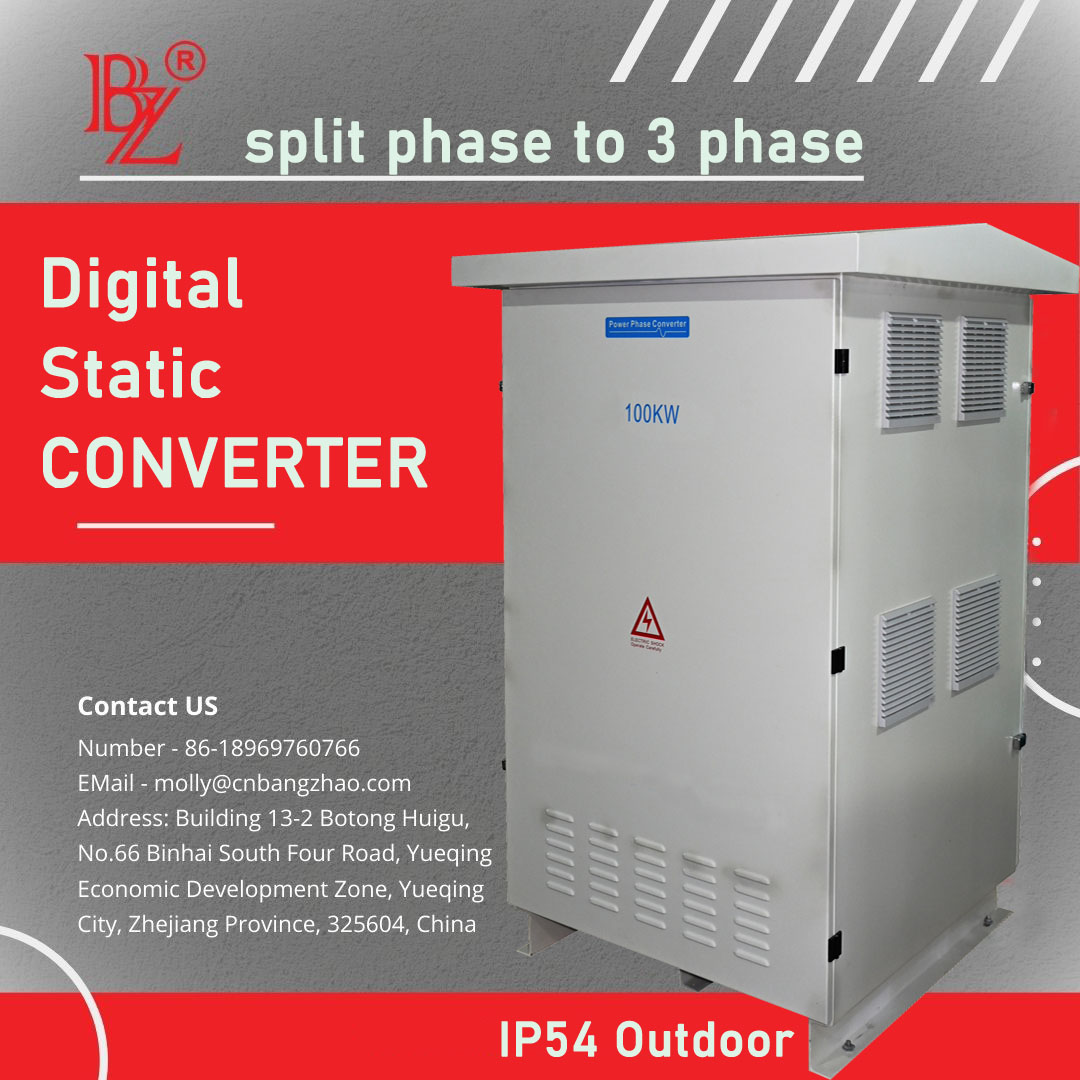
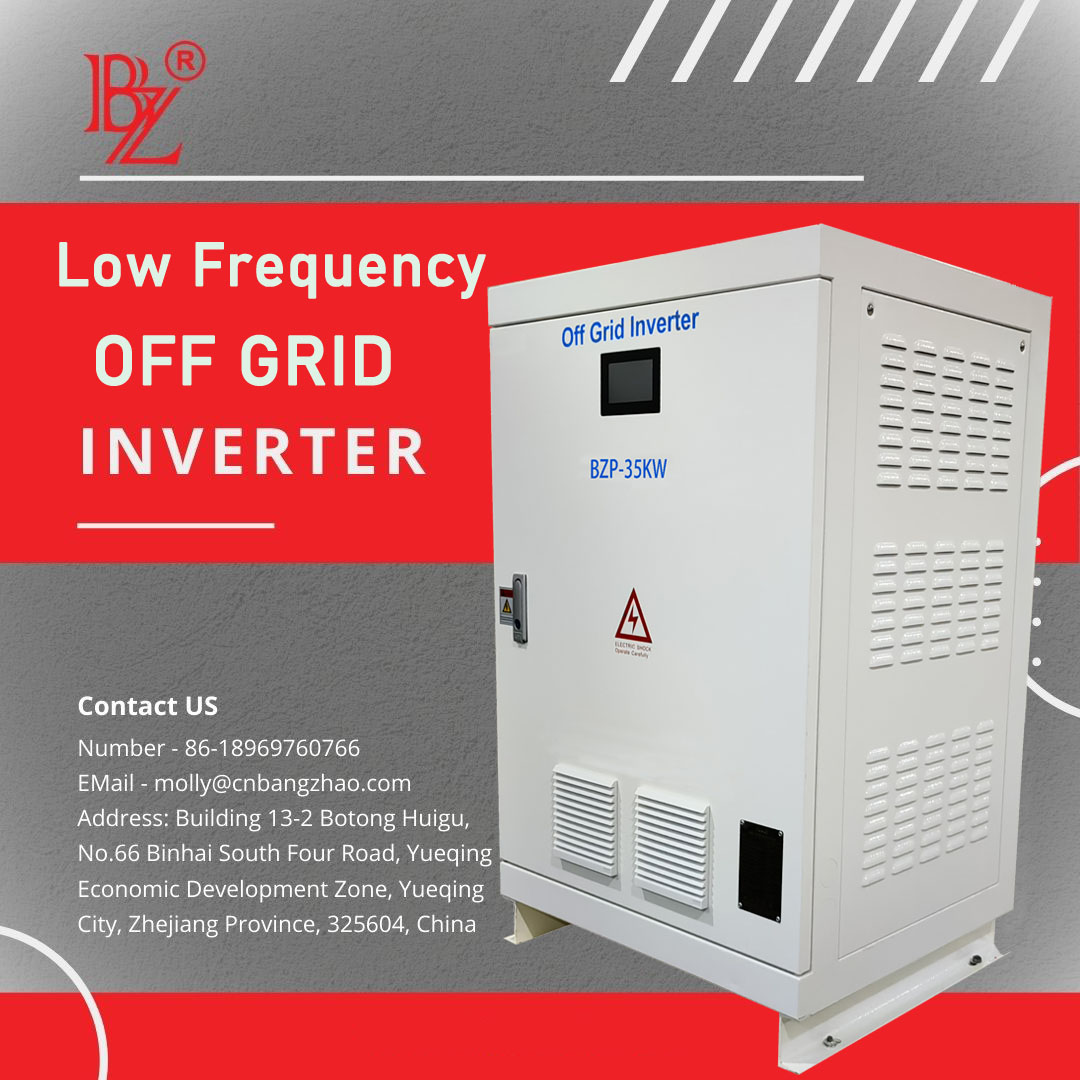
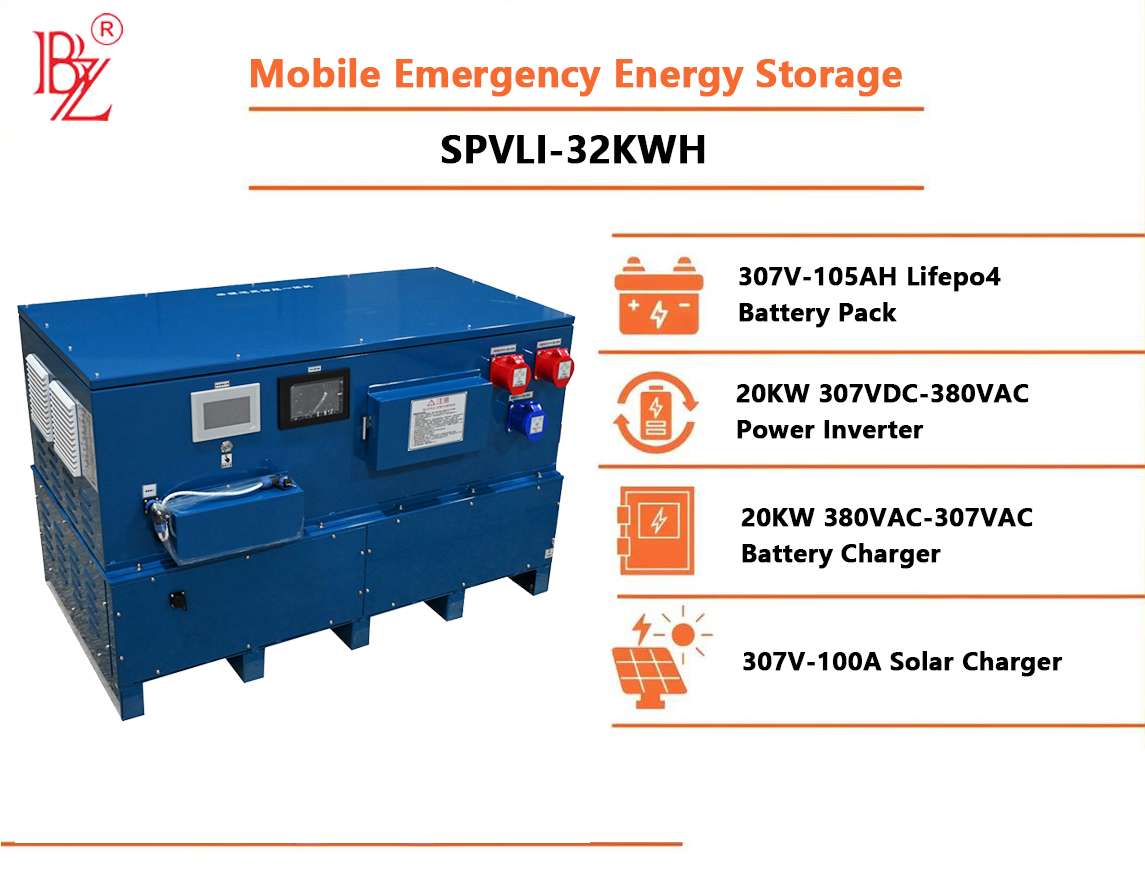
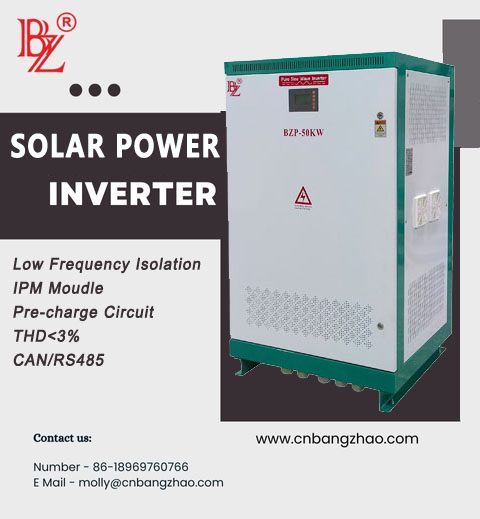
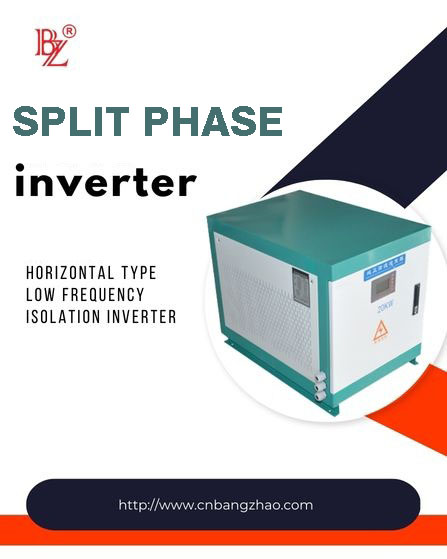
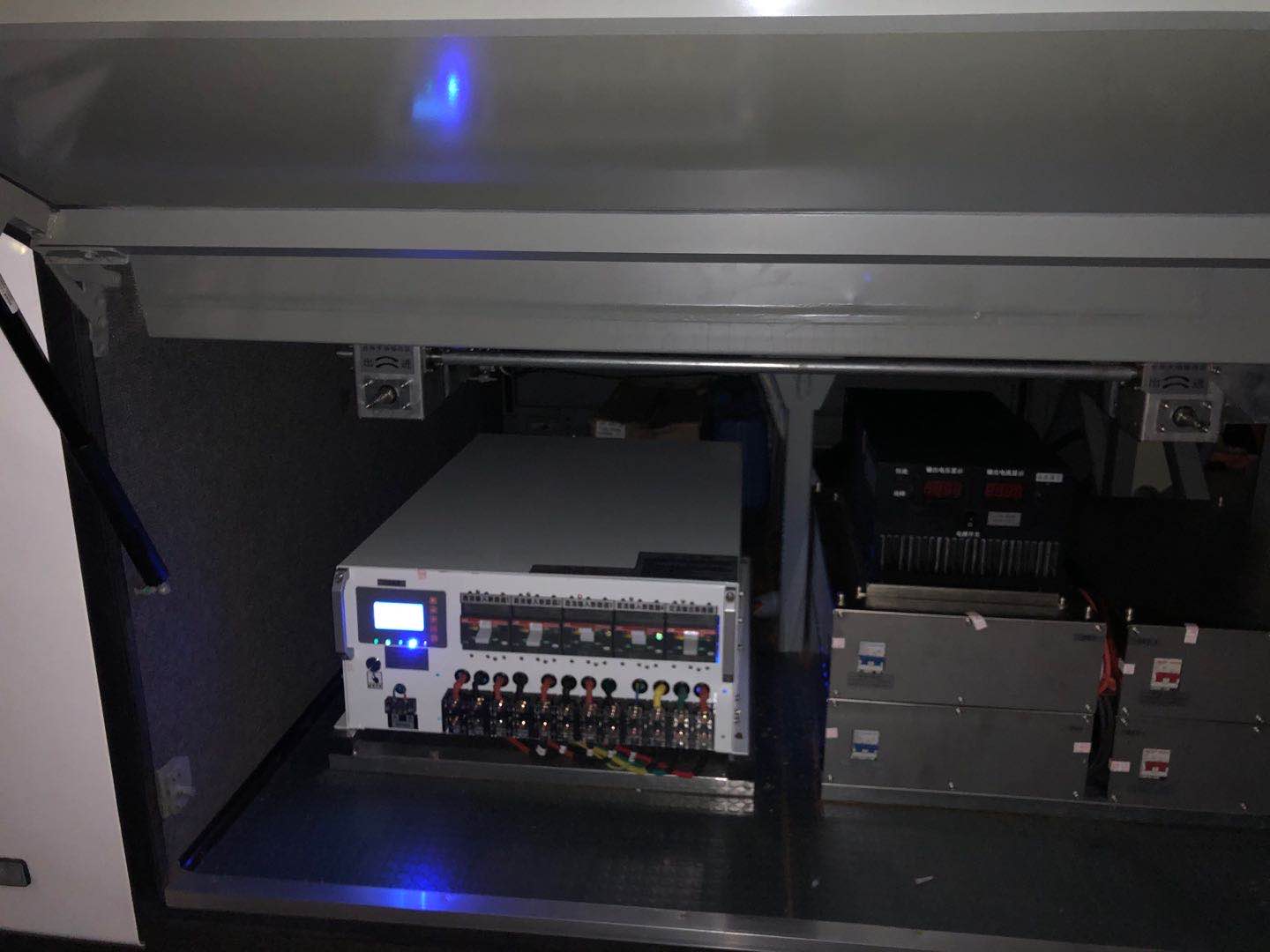
What Are Explosion-Proof Inverters?
What Are the Scenarios of Explosion-Proof Inverters?
When Are They Used? An explosion-proof inverteris essential for businesses operating in areas with potential exposure to hazardous conditions. These inverters ensure reliable power conversion while preventing sparks and overheating. To mitigate risks in explosive zones, Explosion-Proof Inverters are constructed from heavy-duty materials and comply with strict industrial safety standards. This article offers insights into the applications of explosion-proof inverters, their operation, and maintenance practices, coupled with industry-specific examples. Whether you're an industry professional or looking for reliable equipment, understanding explosion-proof inverters can help fulfill your needs.
Expanded Application Examples of Explosion-Proof Inverters
1. Hazardous Locations: Zone 1 & Zone 2
Zones 1 and 2 are locations where flammable gases, vapors, or liquids are present. Explosion-proof inverters are critical for reliable power systems in these areas, ensuring safety for operations:
Coal Mines: Methane gas accumulated in underground coal mines poses high risks. Explosion-proof inverters provide power for lighting, ventilation systems, and monitoring equipment, reducing the likelihood of accidents.
Breweries and Oil Terminals: Flammable gases like alcohol and oil fumes require explosion-proof inverters for pumping devices, valve operations, and other machinery.
Metal Processing Facilities: Manufacturing processes involving combustible dust, such as aluminum or magnesium powders, utilize explosion-proof inverters to minimize the risk of dust explosions.
2. Flammable Gas Environment
Explosion-proof inverters ensure operational safety in environments where flammable gases accumulate:
Chemical Storage Tank Areas: In chemical processing facilities, tanks surrounded by flammable gases rely on explosion-proof inverters to power pumps and monitoring systems while adhering to safety regulations.
Fueling Stations and Gas Supply Points: Many fueling stations and pipeline control locations install explosion-proof inverters to safely power fuel transfer systems and valve controls.
3. Customized Applications for Specific Uses
Apart from industrial uses, explosion-proof inverters cater to niche applications:
Firework Event Storage or Retail Locations: Explosion-proof inverters supply energy to emergency lighting and monitoring systems, preventing accidental ignition during fireworks storage.
Civil Explosives Storage: Facilities storing explosives use explosion-proof inverters to power ventilation systems, minimizing gas buildup and potential hazards.
Urban Gas Distribution Facilities: Explosion-proof inverters are vital for operational safety in urban gas distribution systems, powering pressure regulation and valve control equipment.
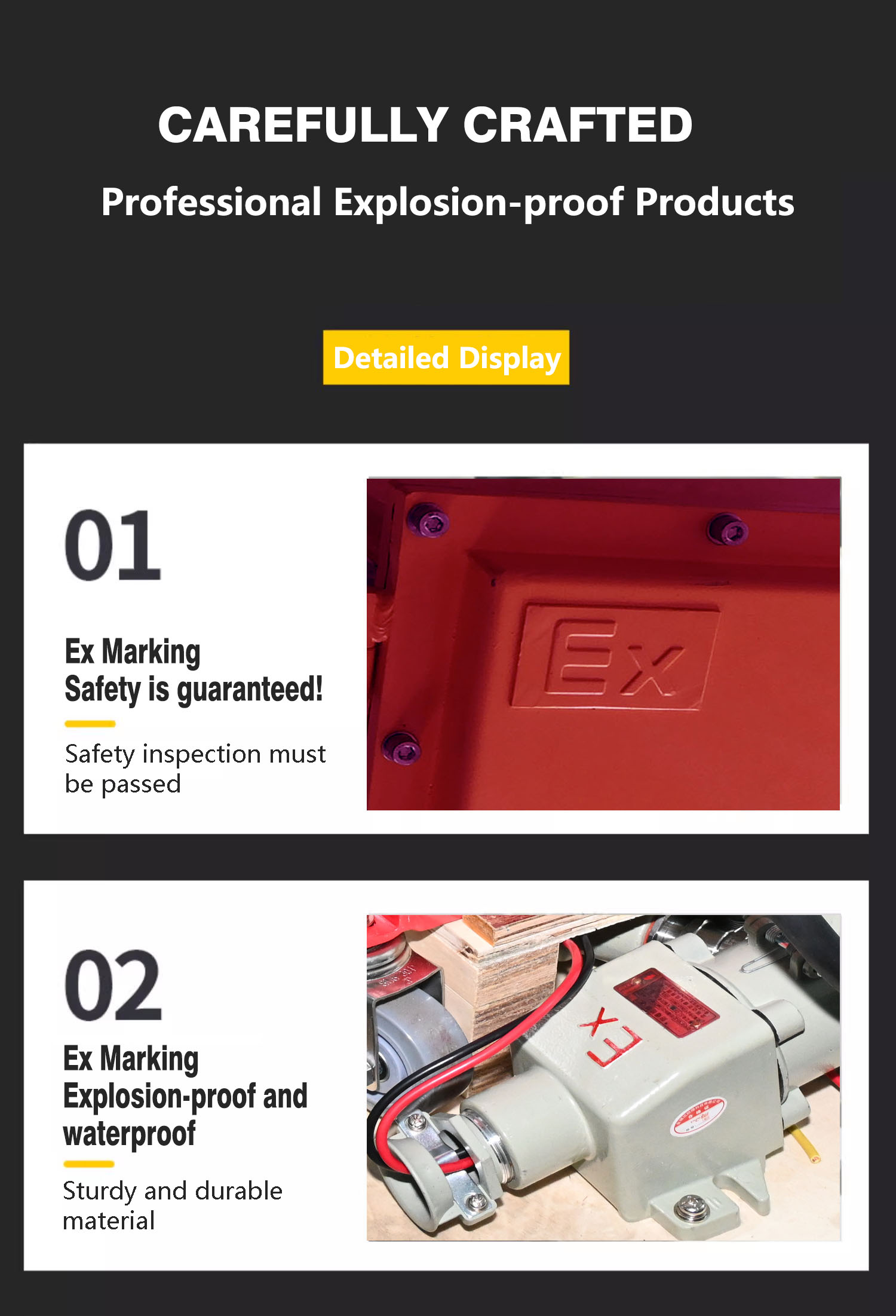
How Do Explosion-Proof Inverters Work?
Explosion-proof inverters operate through encapsulated enclosures made from robust materials like stainless steel or cast aluminum. These enclosures insulate internal electrical and electronic components, preventing interaction with flammable external elements. They eliminate potential ignition sources like electrical sparks or overheating. Furthermore, these inverters often include advanced safety features like thermal cutouts, sealing systems, and fail-safe mechanisms to maximize protection during operation.
How to Maintain an Explosion-Proof Inverter
Proper maintenance of an explosive inverteris crucial for long-term efficiency and safety. Follow these stEPS:
1. Scheduled Inspections: Inspect the unit regularly to identify wear, corrosion, or faults in its enclosures and components.
2. Cleaning: Clean the external surfaces to eliminate dust and residues that may compromise explosion-proof capabilities.
3. Electrical Testing: Periodic testing of connections and insulation ensures reliable operation and avoids electrical malfunctions.
4. Certification Validation: After servicing or repairs, verify that the unit adheres to its explosion-proof certification standards.
Benefits of Using Explosion-Proof Inverters
1. Enhanced Safety: By preventing sparks and overheating, these inverters drastically reduce the risk of explosions in hazardous environments.
2. Compliance with Industry Standards: Industries requiring certified equipment ensure safer work environments and meet regulatory demands.
3. Reliable Operation: Built for harsh conditions, these inverters deliver consistent performance.
4. Versatile Applications: Suitable for both smaller devices and heavy-duty machinery across various industries.
FAQ About Explosion-Proof Inverters
Q: Where can I use explosion-proof inverters?
A: They are used wherever there is a risk of explosion from flammable gases or dust, such as chemical plants or coal mines.
Q: Why would I need an explosion-proof inverter?
A: They prevent internal sparks or heat from igniting external flammable materials.
Q: What are explosion-proof inverters?
A: Devices designed to safely convert electrical energy in hazardous environments using sealed, protective enclosures.
Q: How often should I perform maintenance on my explosion-proof inverter?
A: Maintenance depends on usage and environmental factors, but regular inspections, cleaning, and certification checks are essential.
Conclusion
Explosion-proof inverters are crucial for maintaining safety and operational efficiency in hazardous environments. From coal mines to fueling stations and firework warehouses, their applications span various industries. By adhering to maintenance guidelines and sourcing from reputable explosion-proof inverter manufacturers or exproof Power Inverter exporters, you ensure reliability and compliance with safety standards. Invest in an explosion-proof inverter to protect your operations, employees, and assets.